



Table of Contents
- Why Choose a Menopause Specialist in London
- Liberty Health Clinics Ltd: Comprehensive Women’s Health Care
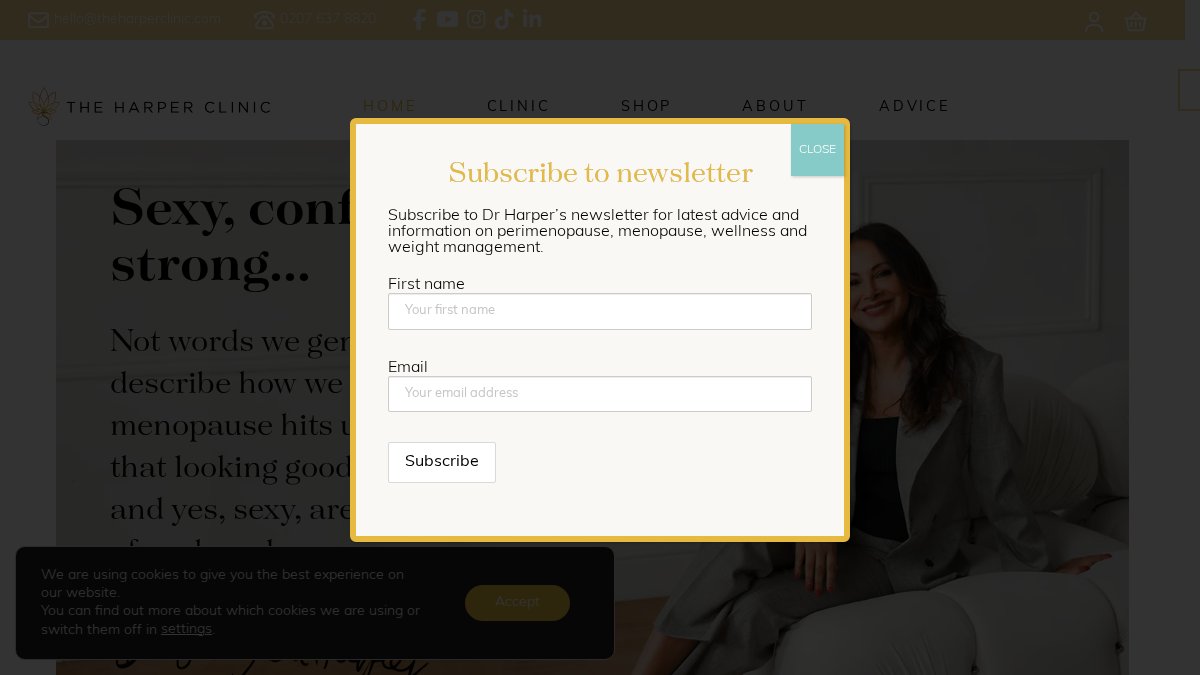
- The Harper Clinic: Dedicated Menopause and Women’s Health Focus
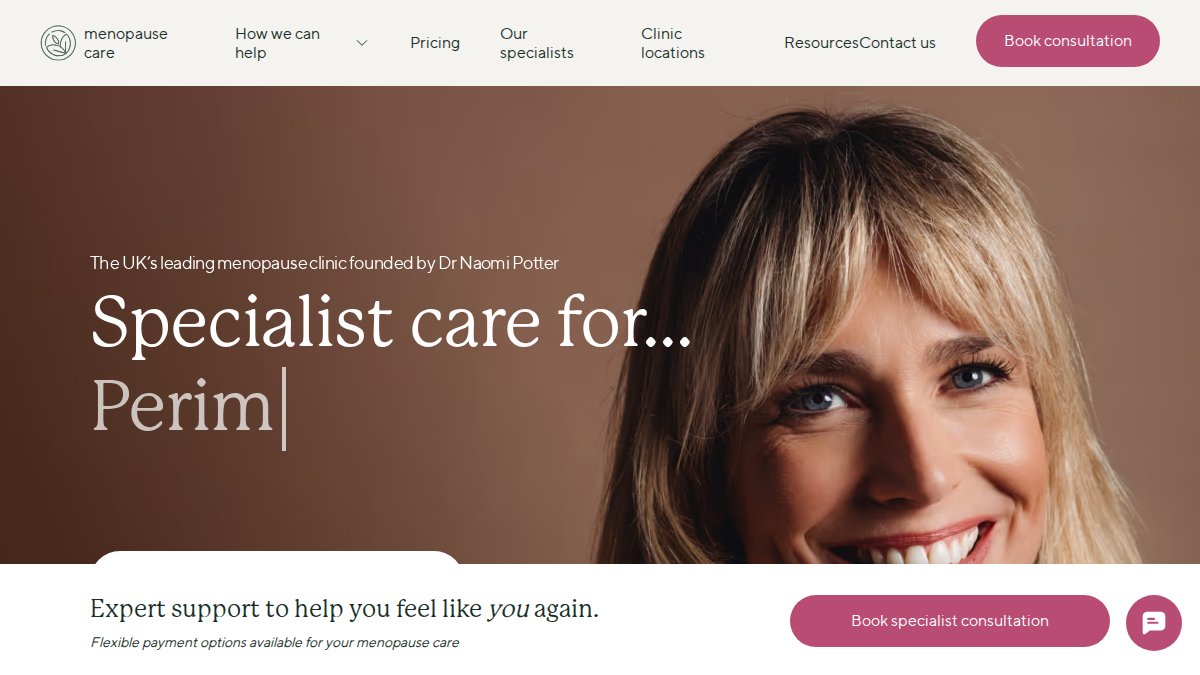
- Menopause Care: BMS-Recognised Menopause Specialist London
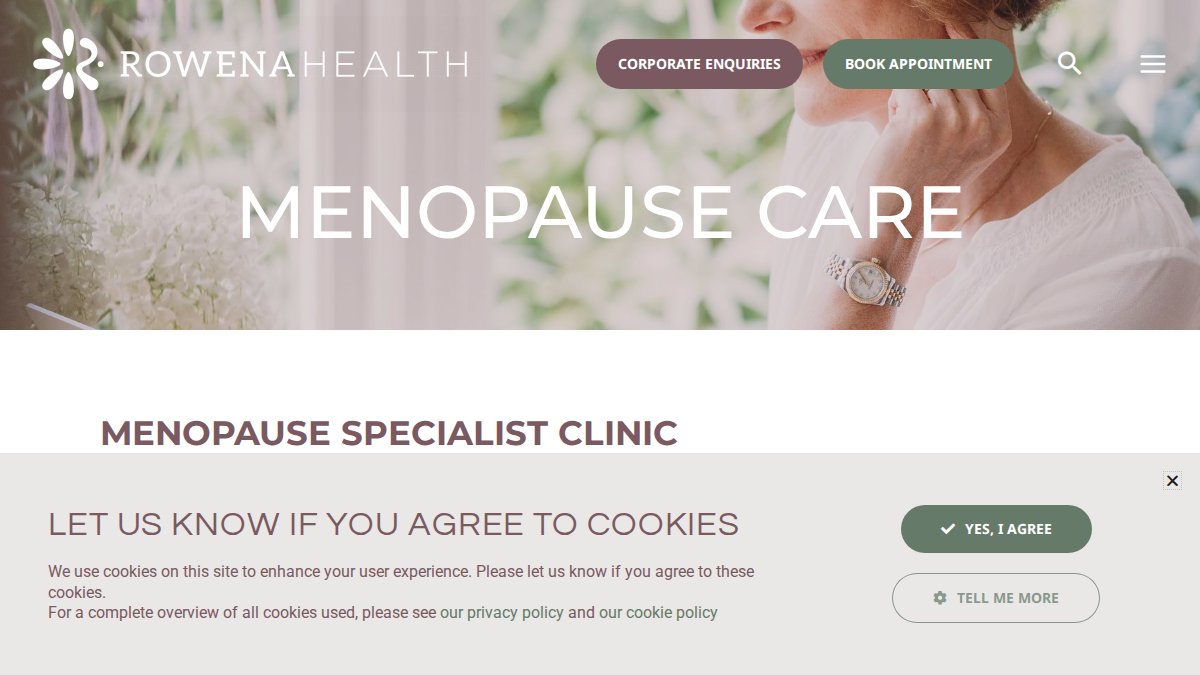
- Rowena Health: Specialist Perimenopause Support
- What to Ask at Your Private Menopause Specialist Appointment
- Finding the Right Private Menopause Specialist in London
- Conclusion
- Frequently Asked Questions
Last Updated: 11 October 2026
Why Choose a Menopause Specialist in London
Finding the right support during [perimenopause or menopause](/how-to-manage-perimenopause-symptoms/) can be transformative. A dedicated menopause specialist understands the full scope of what you’re experiencing, not just hot flushes and night sweats, but the interconnected hormonal shifts that affect sleep, mood, bone health, and cardiovascular function. Many women report feeling dismissed by generalist GPs who treat menopause as a routine life stage rather than a condition requiring tailored expertise.
At Liberty Health Clinics Ltd, we recognise that menopause is highly individual. What works for one woman may not work for another, and the best outcomes come from specialists who listen carefully, run appropriate investigations, and build treatment plans around your specific needs and priorities.

A menopause specialist brings several advantages. They understand hormone replacement therapy (HRT) options in depth, not just oestrogen patches, but the full range of delivery methods, doses, and combinations that might suit your situation. They’re familiar with managing menopause alongside other conditions like endometriosis, fibroids, or adenomyosis. They know how to investigate persistent symptoms that might have been dismissed as “just menopause” when they actually signal thyroid dysfunction, anaemia, or sleep apnoea. They also understand the evidence around non-hormonal options, lifestyle interventions, and when to involve other specialists.
The best specialists in London are often BMS-recognised, that is, they’re registered with the British Menopause Society and keep their knowledge current. This matters because menopause medicine evolves. Research on HRT safety, new formulations, and treatment protocols changes regularly, and a committed specialist stays informed.
When searching for a menopause specialist, ask whether they hold British Menopause Society recognition. This indicates they’ve met training standards and commit to ongoing professional development in menopause care.
Liberty Health Clinics Ltd: Comprehensive Women’s Health Care
Our clinic is built around women’s health at every life stage. We support women through perimenopause, menopause, and the full range of gynaecological conditions that often intersect with hormonal transitions, heavy bleeding, pelvic pain, endometriosis, fibroids, and adenomyosis. We also fit and manage Mirena coils, which can be a game-changer for women with heavy periods or those seeking a low-dose hormonal option during perimenopause.
What distinguishes our approach is integration. Rather than booking separate appointments with a menopause specialist one week and a gynaecologist the next, you work with clinicians who understand how your conditions connect. If you have both severe period pain and menopausal symptoms, or fibroids alongside hot flushes, we don’t treat these as isolated problems. We develop a single coherent treatment strategy.
Our clinicians take time to understand your history, your symptoms, and what matters most to you, whether that’s preserving fertility, managing pain, controlling bleeding, or navigating HRT safely alongside other medications. We listen to women who’ve felt unheard elsewhere. If your GP dismissed your symptoms or offered only paracetamol, we investigate properly.
Liberty Health Clinics Ltd combines menopause expertise with gynaecological specialisation, meaning complex cases, such as managing HRT alongside endometriosis or fibroids, receive coordinated, evidence-based care rather than fragmented appointments.
The Harper Clinic: Dedicated Menopause and Women’s Health Focus
Contact them directly for information about appointment availability, fees, and which practitioners might be the best fit for your situation.
Menopause Care: BMS-Recognised Menopause Specialist London
BMS-recognised status is a meaningful credential. It indicates the practitioner has met training standards and stays current with evolving guidance on HRT safety and efficacy.
Rowena Health: Specialist Perimenopause Support
Perimenopause-specific expertise matters because the treatment approach can differ. Some women benefit from HRT during perimenopause; others do better with different interventions. A specialist in this phase understands the distinctions.
Women in their 40s experiencing severe or disruptive perimenopause symptoms who want to work with a clinician specialising specifically in this transition phase.
What to Ask at Your Private Menopause Specialist Appointment
Walking into a consultation prepared with the right questions helps you get the most from the appointment and assess whether the specialist is right for you. Here’s what to ask. (Source: NHS information on menopause)
On experience and approach: “How many menopause patients do you see? What’s your typical approach, do you always recommend HRT, or do you individualise the decision?” A good specialist should acknowledge that HRT isn’t right for everyone and should explain their reasoning.
On your specific situation: “I’ve had [your condition, endometriosis, fibroids, heavy bleeding, etc.]. How does that change how you’d approach my menopause?” If they seem unfamiliar with the interaction between your existing condition and menopause, that’s a red flag.
On investigation: “What tests do you typically run? Would you check thyroid function, iron levels, and bone health?” A thorough specialist doesn’t just assume symptoms are menopause; they investigate other possibilities.
On safety and monitoring: “If we start HRT, how often would you review me? What would you monitor?” Regular follow-up is standard practice and shows they take safety seriously.
On alternatives: “What non-HRT options would you consider? Under what circumstances might you recommend them?” Even if HRT is appropriate for you, a good specialist should be conversant with alternatives.
On your concerns: “I’m worried about [weight gain, blood clots, cancer risk, etc.]. How do you address that?” Don’t accept dismissal. A good specialist engages with your concerns seriously.
If a specialist dismisses your concerns, refuses to investigate your symptoms, or pressures you toward a treatment you’re uncomfortable with, seek a second opinion. The right specialist partnership is collaborative, not paternalistic.
Finding the Right Private Menopause Specialist in London
Several resources can help you locate a specialist. The British Menopause Society’s Find a Menopause Specialist tool allows you to search by postcode and filter for BMS-recognised practitioners. This is a solid starting point because BMS recognition signals training and ongoing professional development.
You can also search online reviews and ask your GP for referrals, though GP awareness of private specialists varies. Some GPs know the local private menopause practitioners well; others don’t. Don’t assume your GP’s lack of knowledge means a specialist isn’t good, it often just means they’re outside the NHS referral network.
When you’ve identified a few candidates, contact them directly. Ask about their availability, fees, and whether they offer a telephone or video consultation first (many do, which can help you assess fit before committing to an in-person visit). Ask what happens if you need ongoing support, do they offer follow-up appointments, or is it one-off consultations?
Consider whether you want a specialist who also manages gynaecological conditions, or whether menopause is your sole concern. If you have endometriosis, fibroids, heavy bleeding, or pelvic pain alongside menopause, an integrated approach can be more efficient than seeing separate specialists.
Use the British Menopause Society directory as your starting point, contact 2-3 specialists directly to compare availability and approach, and prioritise those who take time to understand your individual situation rather than applying a standard template.
Conclusion
Finding the right menopause specialist transforms how you navigate this transition. The best specialists listen carefully, investigate thoroughly, and build individualised treatment plans rather than assuming one approach suits everyone. At Liberty Health Clinics Ltd, we bring together menopause expertise with gynaecological specialisation, so women with complex presentations, endometriosis alongside menopause, fibroids with hormonal chaos, heavy bleeding during perimenopause, receive coordinated care. If you’re ready to work with clinicians who take your symptoms seriously and develop evidence-based solutions tailored to you, get in touch with Liberty Health Clinics Ltd to discuss your needs and book a consultation.
Frequently Asked Questions
How do I find a menopause specialist in London?
You can search the British Menopause Society’s Find a Menopause Specialist tool using your postcode to locate BMS-recognised specialists near you. Alternatively, ask your GP for a private referral, contact menopause clinics directly, or search online for private menopause specialists in your area. Many specialists in London offer initial consultations to discuss your symptoms and treatment options.
What should I ask at my first menopause specialist appointment?
Ask about your symptom history, how long they’ve lasted, and how they affect your daily life. Enquire about treatment options including HRT, lifestyle changes, and alternative therapies. Ask about the specialist’s experience with your specific symptoms, such as night sweats, mood changes, or pelvic pain. Discuss follow-up appointments, monitoring plans, and what to do if your initial treatment doesn’t work.
Can a BMS-recognised menopause specialist help with perimenopause symptoms?
Yes, menopause specialists are trained to support both perimenopause and menopause. British Menopause Society-recognised specialists have specialist training in managing symptoms across the entire menopause transition, from early perimenopause through to post-menopause. They can diagnose perimenopause, discuss treatment options, and provide ongoing care tailored to your stage and symptoms.
What is the difference between seeing a private menopause specialist and my GP?
Private menopause specialists have dedicated expertise and often longer appointment times than GP visits. They can offer specialist investigations, tailored HRT prescriptions, and access to treatments not always available on the NHS. However, your GP remains your first point of contact for general health and can refer you to specialists. Private specialists typically charge for appointments, whereas NHS referrals are free.